
Parapet Inspection and Repair for Brooklyn Buildings
Any Brooklyn building with a parapet facing a street or sidewalk now needs a close-up look at that wall once a year. We line up the yearly observation with a licensed engineer or architect we partner with, and our licensed and insured crews repoint, reset coping and rebuild loose sections whenever the findings call for it.
What the Yearly Parapet Rule Asks of Brooklyn Owners
A parapet is the part of an exterior wall that rises above the roof line. When it fronts a public street, avenue or sidewalk, the owner must have it observed every year by someone competent to judge parapet hazards, and that person checks the whole wall up close from the roof or a fire escape. Building height makes no difference, and the only exemptions are detached homes with one or two families and any building where a fence or barrier keeps people away from the wall.
The observer confirms three things. The wall stands plumb within one eighth of its thickness, it shows no excessive deterioration such as cracks, loose bricks or crumbling mortar, and railings, signs and antennas fixed to it are stable. Garages count as buildings too, so a street-facing wall above an open top deck gets this check on its own schedule, apart from the QPSI cycle. The owner holds on to each report for six years or longer and produces it whenever DOB asks.
Parapet Warning Signs From the Street or Roof
- Brick chips or mortar grit on the sidewalk, the roof or in the gutter.
- A wall that bows or tilts when you sight along the roof edge.
- Coping stones that rock, shift or have open gaps between them.
- Cracks that step through mortar joints or split bricks near corners.
- Railings, signs or antennas that wobble where they anchor to the wall.
Why Brooklyn Parapets Weaken Over the Years
Most older Brooklyn parapets are solid brick with no steel inside, capped with stone, terra cotta or sheet metal coping. Water that slips past a cracked coping joint soaks the brick from the top down, then freezes and expands every winter. After enough seasons the mortar turns to sand, and the wall loses the bond that keeps it upright.
Roofing work adds its own strain. Flashing cut or glued into the parapet face, newer roofs built up higher against the wall and steel anchors rusting inside the masonry all crack the brick from within. Railings and signs bolted to a weak parapet tug on it in high wind, which is why the rule asks the observer to check them as well.
Parapet Repairs Our Crews Carry Out
The fix depends on how far the wall has gone.
Repointing and Brick Replacement
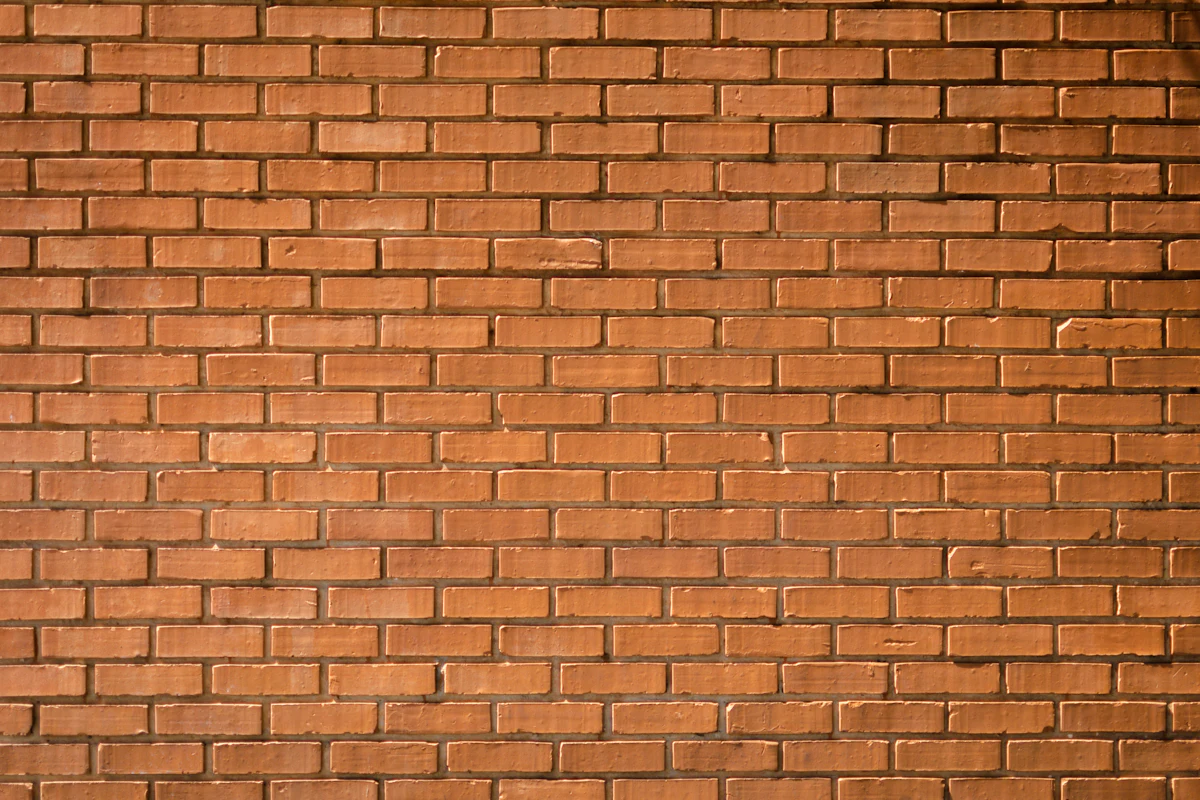
Failed mortar raked out to a sound depth and refilled with a mix matched to the old brick, while cracked or loose units are cut out and replaced.
Coping and Flashing Repair
Coping stones reset on fresh mortar beds with sealed joints, plus new through-wall flashing and counterflashing that shed water off the wall.
Partial and Full Rebuilds
Leaning or badly cracked sections taken down brick by brick and rebuilt plumb, with new anchors or bracing wherever the engineer specifies.
From the Yearly Observation to a Sound Wall
Each parapet job moves through these stages.
Book the Observation
We set a date with our partner engineer or architect, who walks the full length of the wall up close.
Map the Findings
Every crack, loose unit and shaky attachment from the report is marked on a roof plan with photos.
Guard the Sidewalk
Should the report flag an unsafe condition, DOB is notified and a shed, fence or netting goes up right away.
Repair the Masonry
Crews repoint, reset coping or rebuild sections, mostly from the roof, adding scaffold only where the street face needs it.
Close the File
Dated photos and a repair summary go to the owner for the next report and the six year record.
Parapet Work Covered on a Brooklyn Job
- Scheduling the yearly observation with a licensed partner
- Roof-side and street-side masonry survey after the report
- Repointing with mortar matched to the original
- Swapping out cracked, spalled or missing bricks
- Resetting and sealing coping stones
- New through-wall flashing and counterflashing
- Partial or full rebuilds of leaning sections
- Anchors and bracing where the engineer calls for them
- Re-securing railings, signs and antennas
- Sidewalk sheds, fences or netting when required
What Sets Brooklyn Parapets Apart
Historic Districts and Landmark Approval
Large parts of Brooklyn Heights, Park Slope, Fort Greene and other neighborhoods lie inside historic districts. Visible parapet and cornice work there usually needs Landmarks Preservation Commission approval, so we match brick, mortar color and coping profile to what the commission expects.
Attached Rowhouses Are Not Exempt
The exemption reaches only detached one and two family homes. A brownstone or brick rowhouse that shares party walls with its neighbors and has a street-facing parapet still needs the yearly observation, even with a single family inside.
Is Your Parapet Due for Its Yearly Look?
Share the address and when the wall was last observed, and our team arranges the visit along with any repairs.
What Drives the Price of Parapet Work
Linear feet of wall set the starting point, then these six factors shape the quote.
- Total length and height of parapet facing the street
- Depth of the damage, from repointing to taking the wall down
- Coping type, since stone and terra cotta cost more to reset than metal caps
- Access from the roof alone, or scaffold and a sidewalk shed below
- Landmark approval and the brick and mortar matching it requires
- Railings, signs or equipment that must come off and go back
A Leaning Parapet Over a Busy Sidewalk
Problem
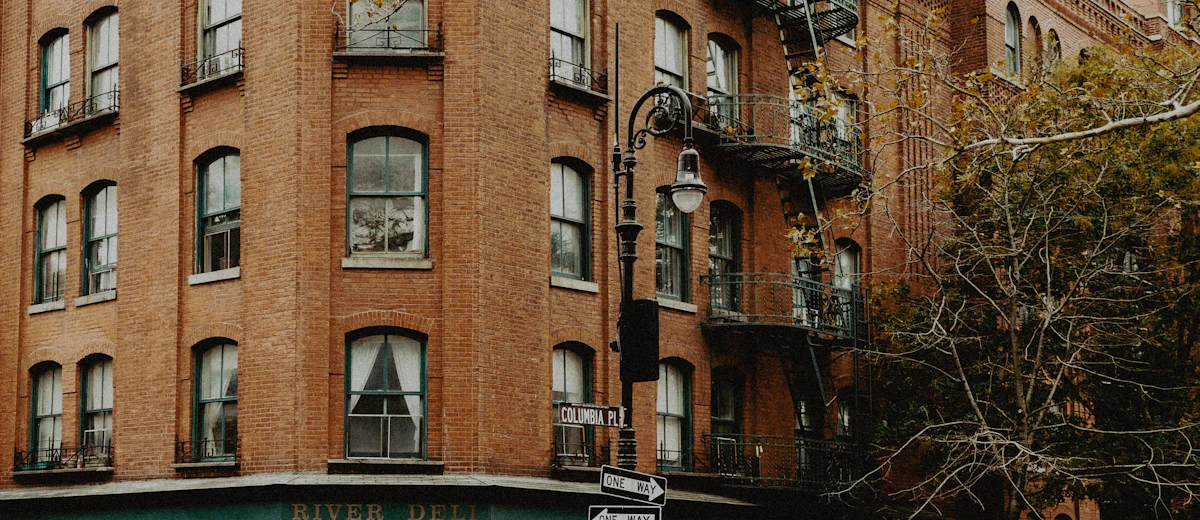
The yearly observation of a six story Crown Heights apartment building finds a corner stretch of parapet out of plumb and loose coping right above the main entrance.
What We Do
The observer notifies DOB, a sidewalk shed goes up that week, and our crew takes down the corner, rebuilds it plumb with new flashing and resets the coping.
Result
The unsafe condition is corrected well inside the 90 day limit, the shed comes down and the repair photos go into the owner’s file for the next observation.
Brooklyn Owners Ask About Parapet Rules and Repairs
It took effect on January 1, 2024, under Local Law 126 of 2021 and the DOB rule at 1 RCNY 103-15. Every building with a parapet fronting a public right-of-way needs one each year, whatever its height.
The rule accepts anyone competent to spot parapet hazards, including masons, superintendents, licensed architects and engineers and insurance inspectors. We arrange it through a licensed engineer or architect so the report stands up if DOB asks for it.
No. The owner keeps it on file a minimum of six years and hands it over when DOB requests it. Only an unsafe condition calls for an immediate report to the department.
The observer tells DOB at once by calling 311 and emailing parapets@buildings.nyc.gov, and the owner must install a sidewalk shed, fence or netting. The repair has to be completed within 90 days of that notice.
Only if it is detached. A rowhouse sharing walls with its neighbors is not detached, so a street-facing parapet on it still needs the yearly observation.
The address, owner and observer details, the observation date, a plan showing where the parapets are, their material, height and thickness, the conditions found, repairs since the last report and dated photos.
Only parapets fronting a public right-of-way such as a street, sidewalk, plaza or any other public way. Walls over a private yard or a neighbor's lot fall outside the yearly rule, though a loose one is still worth fixing.
Mortar must cure above freezing, so most masonry work runs from spring through fall. Urgent unsafe repairs can go ahead in the cold with heated enclosures and cold-weather mortar practices.
Phone us at (917) 355-8556, or upload recent photos and your last report through the form below. We schedule the observation and return a repair plan with prices if the wall needs work.