
Parking Garage Concrete and Structural Repair in Brooklyn
Rusting rebar, falling pieces of ceiling concrete and cracked columns are the findings that turn up most often in Brooklyn garage reports. Our licensed and insured crews cut out the damaged concrete, clean or replace the steel and rebuild each slab, beam and column to the engineer’s repair details.
When Garage Concrete Needs More Than a Patch
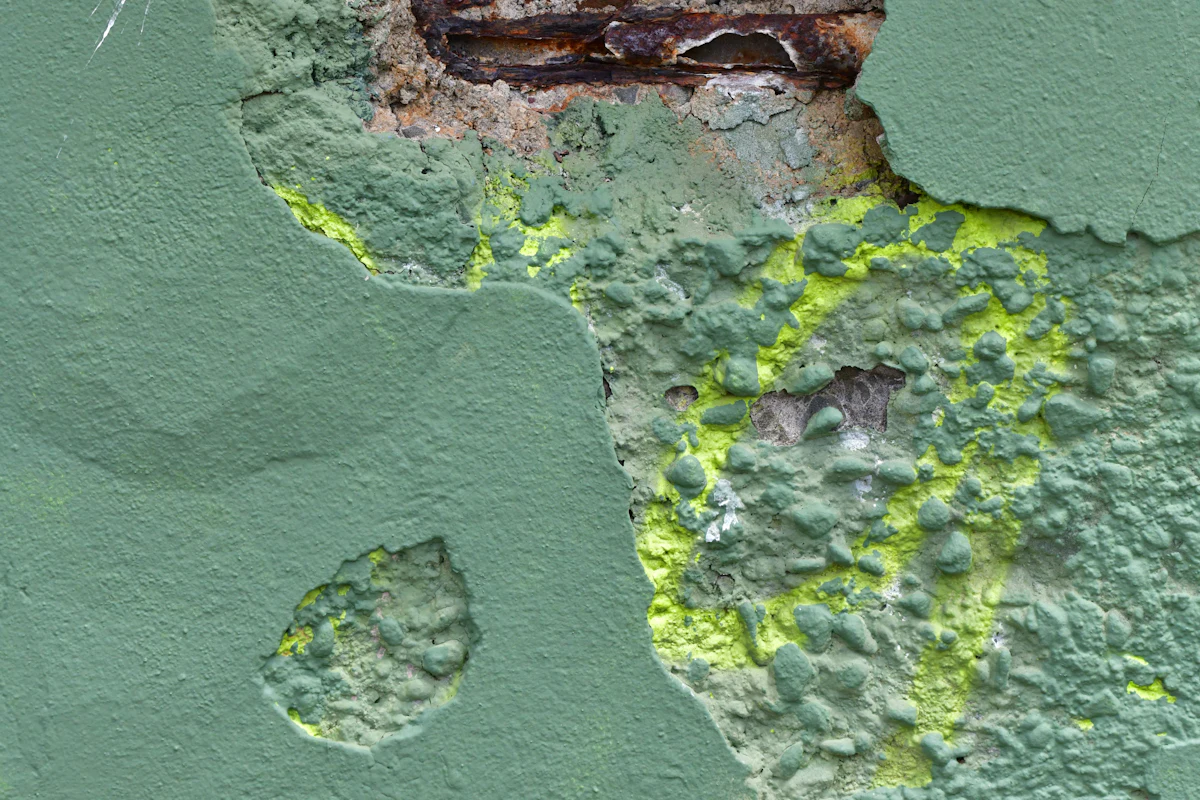
Concrete in a parking garage fails from the inside out. Chloride from winter salt and seawater works down to the reinforcing steel, the steel rusts and swells, and the concrete over it cracks and breaks away. A surface patch over live corrosion rarely lasts more than a few seasons, so a lasting repair cuts back to clean steel, treats or replaces it, and rebuilds the section with a material chosen for that spot.
The repair details come from a licensed engineer, usually the QPSI who rated the condition or an engineer working for the owner. Our crews carry out that design, and when the work traces back to an SREM or Unsafe rating, we schedule it against the dates in the report.
Signs Your Garage Concrete Needs Attention
- Pieces of concrete on the floor or on parked cars.
- Rust stains bleeding through ceilings, beams or column faces.
- A hollow sound when the slab or ceiling is tapped with a hammer.
- Cracks around column tops or along beam edges that keep widening.
- Exposed rebar where the top deck surface has worn through.
What Breaks Down Concrete in a Brooklyn Garage
Cars carry salty slush in every winter, and the brine soaks into decks, ramps and the base of columns. Where the slab has no membrane or the old coating has worn away, chlorides reach the top layer of rebar within a few years. Underground levels add groundwater and seepage through foundation walls, which keeps the concrete damp long enough for corrosion to spread.
Freeze and thaw cycles open up cracks on exposed roof decks, and leaking expansion joints drip onto the beams below. Older garages often have thin concrete cover over the steel, so damage that would take decades in a newer structure shows up much sooner. Each cause points to a different repair, which is why the engineer’s survey comes first.
Repairs Matched to Each Part of the Structure
The method changes with the member being repaired.
Slab and Deck Repair
Partial and full-depth repairs on driving surfaces and ramps, finished flush so traffic can return quickly.
Column and Beam Repair
Formed and poured or hand-applied repairs, with shoring set first whenever the engineer calls for it.
Overhead and Ceiling Repair
Loose concrete removed from soffits and rebuilt with mortars made for vertical and overhead work.
How a Concrete Repair Moves Through the Garage
Every repair area goes through the same five stages.
Sound and Mark
We tap every area the engineer flagged and outline the edges of the damage on the concrete.
Saw Cut and Remove
Edges are saw cut, then loose concrete comes out with chipping hammers until sound material remains.
Clean and Treat the Steel
Rebar is blasted clean, and bars that lost too much section are spliced with new steel.
Rebuild the Section
The specified repair material goes in by pour, form or trowel, then cures under cover.
Test and Record
Repaired areas are sounded again, and photos and logs go to the engineer.
Concrete Work Our Crews Take On
- Partial-depth slab and ramp repairs
- Full-depth slab repairs where damage runs through
- Column repairs at bases, faces and capitals
- Beam and girder repairs at bearings and edges
- Overhead and soffit repairs on lower levels
- Rebar cleaning, coating and splicing
- Crack routing and epoxy or polyurethane injection
- Corrosion inhibitors and galvanic anodes where specified
- Temporary shoring and debris netting
- Sealers or coatings over finished deck repairs
Brooklyn Conditions That Shape the Repair
Low Clearance and Tight Ramps
Older Brooklyn garages often have low ceilings and sharp turns, so large equipment cannot get in. We bring compact chipping and mixing gear and stage material near the entrance.
Quiet Hours Under Apartments
Most Brooklyn garages sit under homes, and chipping concrete is loud. Weekday work stays inside normal construction hours, and for any shift outside them we file for the DOB after-hours permit, known as an AHV, well before work starts.
Seeing Rust Stains or Fallen Concrete?
A few photos and your latest QPSI report are enough for us to outline the repair.
What Moves a Concrete Repair Quote Up or Down
We price by repair area once the damage is sounded and mapped. Six factors matter most.
- Total square footage of sounded damage and how deep it runs
- Location, since overhead and column work takes longer than deck work
- Steel condition, from light cleaning to splicing in new bars
- Shoring the engineer requires before removal starts
- Access limits such as low clearance, tight ramps and quiet hours
- Protection added afterward, such as sealers, coatings or anodes
From Fallen Concrete to a Rebuilt Ceiling
Problem
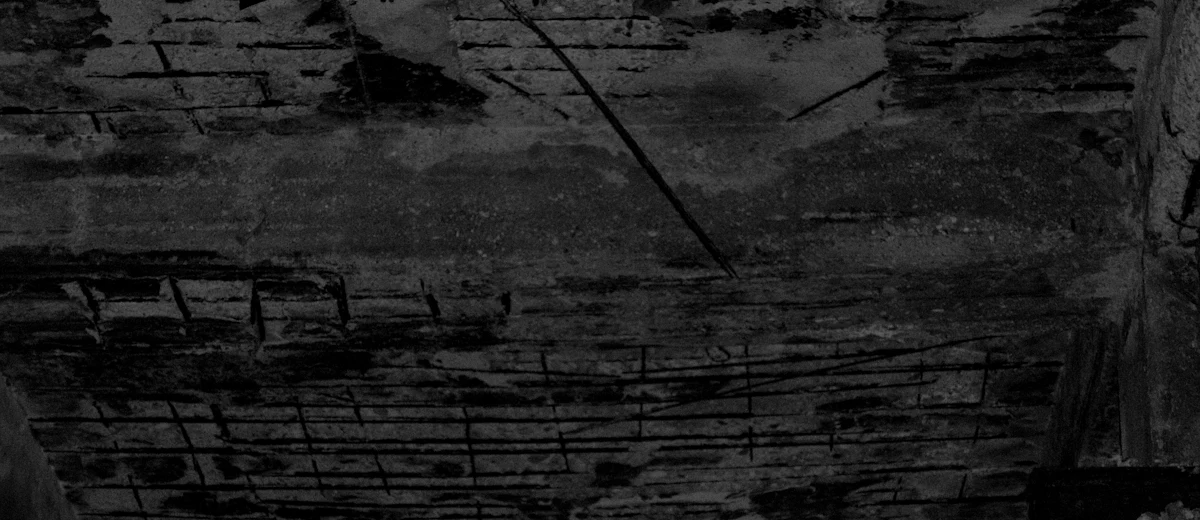
In a Park Slope condo garage, a piece of ceiling concrete drops onto a parked car, and the engineer finds hollow areas across two bays and rusted beam edges.
What We Do
We net the area right away, shore the beams as the engineer directs, take out the loose concrete, clean the steel and rebuild the soffits over three weekends.
Result
The engineer signs off on the repair records, the netting comes down and both bays reopen to parkers.
Concrete Repair Questions We Hear in Brooklyn
Patching over rusting steel traps the corrosion, and the edges usually crack loose within a few winters. Cutting back to clean steel and treating it is what makes the repair last.
It depends on the material. Rapid-set mortars are often ready for cars the same day, whereas full-depth concrete can need several days, and the engineer sets the opening time.
Usually only the bays around that column. Shoring and a work zone take up a few spaces, and the rest of the level stays open.
Small zinc units tied to the rebar inside a repair. They corrode in place of the steel around the patch, which helps keep new rust from starting at the repair edges.
Most repair products must stay above a set temperature, in the air and in the slab, until they have cured. Underground levels often stay warm enough, and heated enclosures cover the colder spots.
A licensed engineer, often the QPSI who wrote the report. Our crews follow those details and never change the design without the engineer's approval.
For SREM and Unsafe items, yes. The QPSI confirms the repair at a follow-up visit or in an amended report, so every repair area gets its own photos and logs.
The cause has to be fixed too. That can mean a membrane on the deck above, new joint seals, better drainage or a sealer, which our deck coatings team handles.
The latest QPSI report, any repair drawings and a few photos. Call (917) 355-8556 or use the form below, and we will set a time to sound the damaged areas.