
Parking Deck Coatings and Expansion Joint Repair in Brooklyn
Salt, tires and Brooklyn winters wear through deck coatings and tear the seals in expansion joints, and the concrete underneath pays the price. Our licensed and insured crews strip, prepare and recoat driving surfaces and replace failed joints, one level at a time.
Why the Top Layer Protects the Whole Garage
A traffic coating is a waterproof membrane bonded to the concrete, with a wear layer of aggregate on top. It keeps salt water from soaking into the slab and reaching the rebar. Expansion joints are the gaps that let a large garage move as it heats and cools, and their seals stop water from pouring through to the level below.
When either one fails, the damage travels downward. Water through a worn coating corrodes the top steel, and water through a broken joint drips onto the beams and columns underneath. That is how small upkeep items turn into SREM conditions in a QPSI report.
Deck and Joint Problems to Watch
- Bare gray concrete showing through the coating in drive lanes and turns.
- Coating that peels, bubbles or sounds hollow underfoot.
- Split, missing or sagging seals at expansion joints.
- Rust stains or drips on beams directly below a joint.
- Water that ponds on the deck for hours after the rain stops.
What Wears Down Coatings and Joints on a Brooklyn Deck
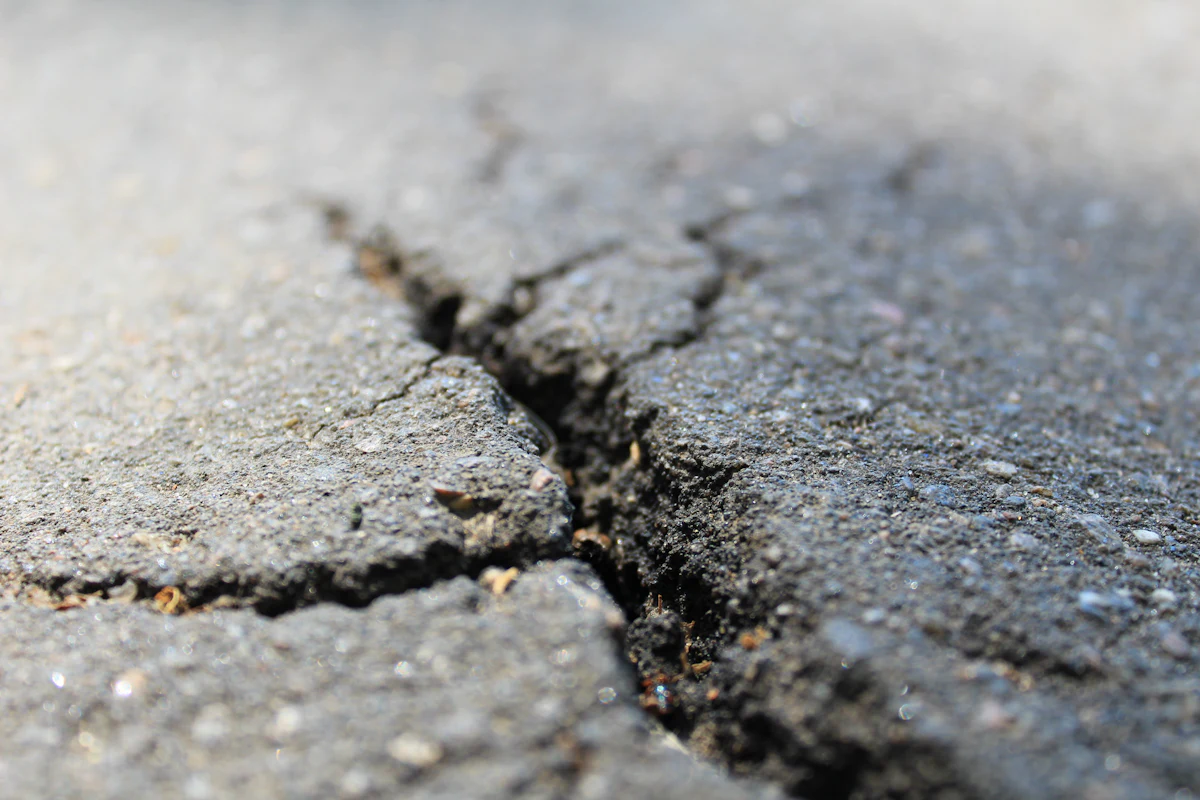
Tires grind the wear layer off fastest where cars turn, brake and climb ramps, and plows and shovels gouge it every winter. Once the top coat is gone, the base membrane follows quickly and salt brine reaches bare concrete. Roof decks also bake in summer sun, which leaves older coatings brittle and prone to cracking.
Expansion joint seals give out from movement, age and traffic. The rubber or foam hardens, its bond to the concrete edges breaks, and the nosing on either side cracks under wheel loads. A joint that leaks for a few seasons usually leaves rusted bearings and spalled beam ends below it.
Systems We Install on Brooklyn Parking Decks
Each level gets the system its exposure calls for.
Traffic Coatings
Multi-coat polyurethane or epoxy membranes with broadcast aggregate, built heavier in drive lanes, ramps and turns.
Roof Deck Membranes
Systems rated for sunlight and freeze and thaw on top levels open to the weather, reinforced at cracks and drains.
Expansion Joint Systems
Compression seals, strip seals or preformed joints set in new elastomeric nosing to suit each joint’s width and movement.
From Bare Concrete to a Finished Deck
Every coating job runs in this order, level by level.
Repair the Concrete First
Spalls, cracks and damaged joint edges are fixed so the coating has a sound base.
Shot Blast the Surface
The old coating and weak surface paste come off, leaving a profile the new system can grip.
Detail the Weak Spots
Cracks, drains, curbs and column bases get extra membrane and reinforcement.
Apply the System
Base coat, wear coat with aggregate and top coat go down at the thickness the maker specifies.
Cure and Restripe
Once cured, lines, arrows and stall numbers are painted back before cars return.
Deck and Joint Work We Handle
- Removal of worn coatings by shot blasting or grinding
- Concrete patching and crack routing before coating
- Full traffic coating systems for drive lanes and ramps
- Heavy-duty coats at turns, ramps and entrances
- Roof deck membranes rated for sun and freeze
- Expansion joint removal and replacement
- Joint nosing repair with elastomeric concrete
- Sealant renewal at cove joints and curb lines
- Drain detailing to stop ponding
- Line striping and stall numbering after coating
Brooklyn Decks Have Their Own Demands
Open Top Levels Take the Weather
Many Brooklyn garages park cars on an open roof deck, which takes the hardest freeze and thaw cycles in the building. We specify a roof-grade system there and schedule the work for dry stretches from spring through fall.
Monthly Parkers With Nowhere Else to Go
Street parking is scarce across most of Brooklyn, so closing a level is a real burden for residents. We coat in sections, use fast-cure systems where they fit and give the operator a clear schedule for every move.
Bare Concrete Showing Through Your Deck?
A few photos of the worn areas and joints let us suggest the right system.
What Shapes a Deck Coating and Joint Quote
Square footage sets the base, then these six factors adjust it.
- Deck area and how many levels need coating
- Condition of the concrete underneath and the patching it needs
- System type, from light-duty sealers to heavy traffic membranes
- Exposure, since roof levels need tougher materials than covered floors
- Length, width and movement of each expansion joint
- Phasing, night work and fast-cure products that keep parking open
Recoating a Worn Roof Deck in Phases
Problem
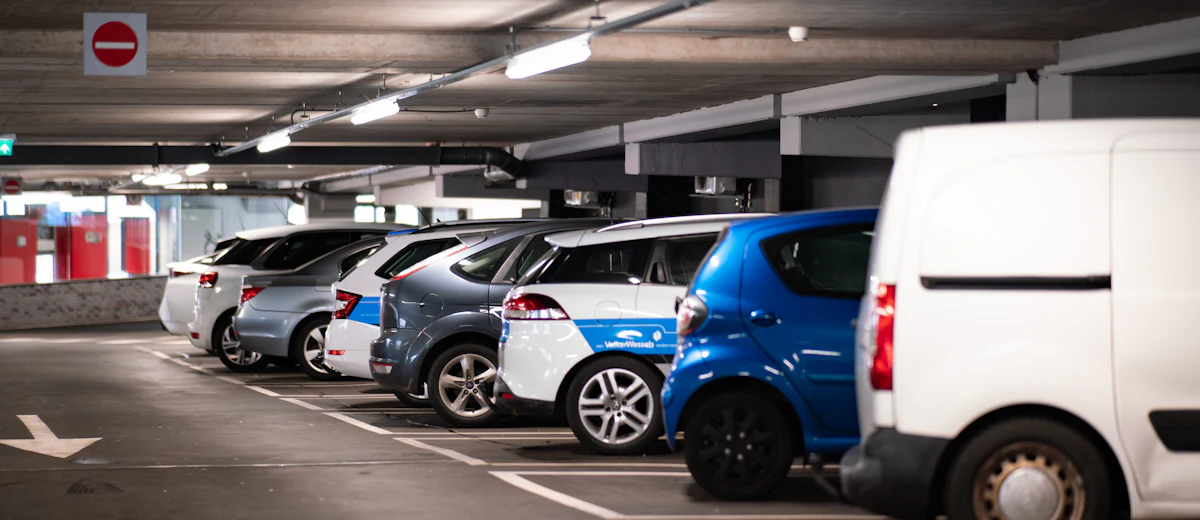
The open top deck of a Bensonhurst condo garage is worn to bare concrete in the drive lanes, and two expansion joints leak onto the cars below.
What We Do
We split the deck into three zones, repair the concrete, replace both joints and install a roof-grade traffic coating over three weekends.
Result
The deck is sealed, the joints stop dripping and monthly parkers give up only one zone at a time.
Brooklyn Questions About Deck Coatings and Joints
Traffic and exposure decide it, but drive lanes on a busy deck usually need a fresh top coat years before the base membrane wears out. Renewing the top layer on time costs far less than recoating from bare concrete.
On covered levels with light traffic, a penetrating sealer can slow salt intake. Roof decks, ramps and floors over occupied space usually need a full membrane, because it bridges cracks.
Only if it is still well bonded and compatible. Most worn decks need the old system removed so the new one bonds to clean concrete.
Standard systems often need a day or more to cure, while fast-cure systems can open within hours. Temperature and humidity shift the timing, so we confirm it for each phase.
They carry wheel loads and salt while the structure grows and shrinks with temperature. Seals harden with age, and once the edges crack the seal loses its grip.
Yes. Joints are replaced one run at a time, so the worst ones go first and the rest can be planned for later.
Yes. Shot blasting removes the old lines, so stalls, arrows and markings are repainted once the coating cures.
Most coatings go down from spring through fall, since they need dry concrete and mild weather to cure. Covered levels can sometimes be done in winter with temporary heat.
Send photos and the latest report through the form below, or phone (917) 355-8556 to book a visit. We measure the deck and joints, check the concrete and send a phased proposal.